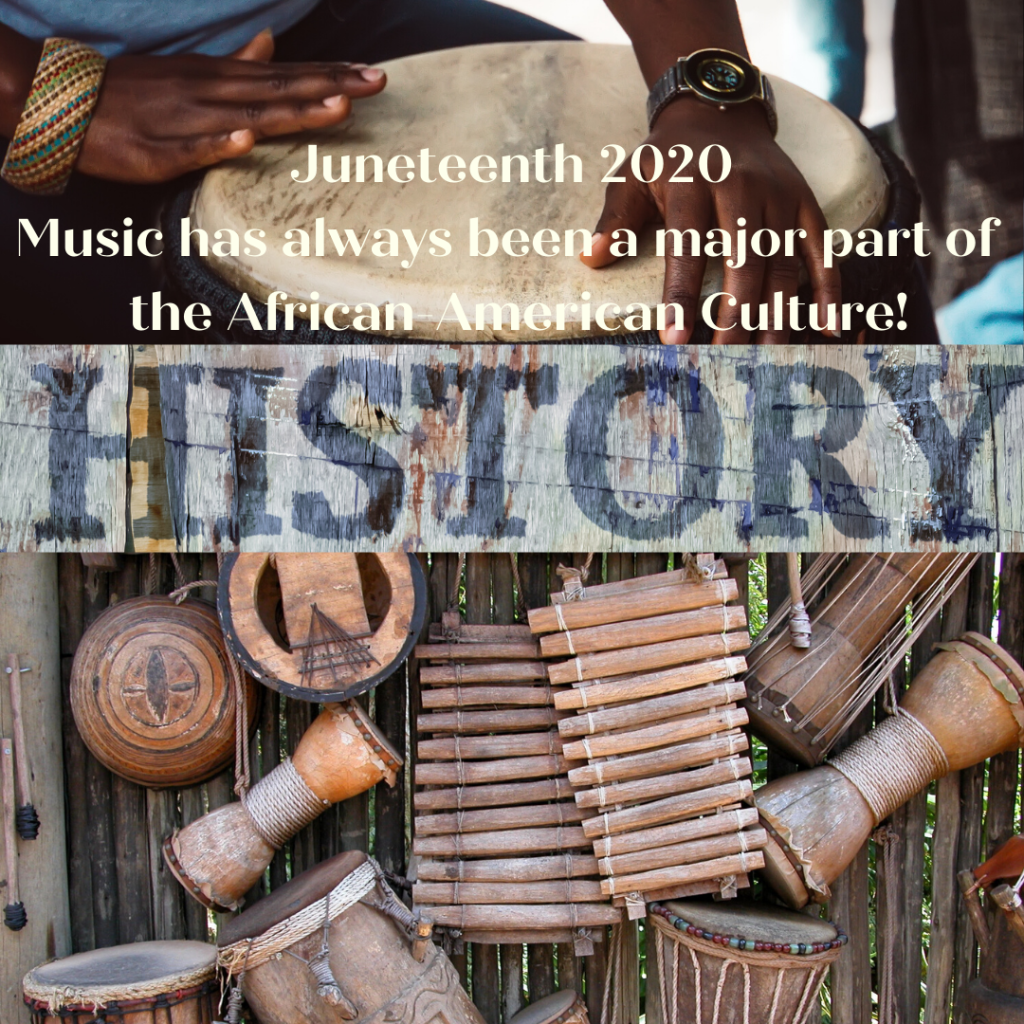
- Music is an intrinsic part of human existence.
- It helps us process our experiences and emotions, connects us to our surroundings, introduces us to the ideas and cultures of others,
- and, the best music increases our longing for the wonder that is God, even if we don’t know it.
- When the stolen peoples of Africa were denied the ability to speak their native languages or to practice cultural traditions
- and were torn away from the lands and people they loved, how did they survive?
- How did they endure? When forced or restricted silence became the norm, how did enslaved Africans communicate?
- Those answers can be found, in part, within the art form that emerged beyond the bounds of captivity- the spiritual – more commonly referred to as the Negro spiritual. These songs are stories of survival.
- Spirituals originated with no fixed texts.
- They were improvised and learned by rote or without written lyrics due to firm restrictions about reading and writing.
- It wasn’t until after emancipation that some of the well over 6,000 spirituals were actually documented and printed.
- There are different classifications of Spirituals
- Some are classified as Coded, Call & Response, Anguish/Laments
Steal Away To Jesus -Coded Song
- An interesting fact about many African American Spirituals, like “Steal Away,” is that they often carried a double meaning.
- In addition to being powerful songs of faith, they contained coded clues and practical hints as to how people – when they were ready – should make their break for freedom.
- For example, in “Steal Away,” the singer describes the signs… “Green trees are bending,” and “He calls me by the thunder.”
- These phrases reminded the slave that it was during Spring thunderstorms that (s)he should make their escape. Be ready to go! No time to wait!
- Steal away to Jesus… because that is where we belong. That is where new life is found. And that is where wounded and grieving hearts are made whole.
Swing Low, Sweet Chariot- is both a
Call & Repsonse + Code
- “Swing low, sweet chariot” refers to Ripley, a “station” of the Underground Railroad, where slaves were welcome.This town is at a hill, by the Ohio River, which is not easy to cross.
- So, to reach this place, slaves had to wait for help coming from the hill.
- Swing Low, Sweet Chariot is a renowned call and response song in which the preacher or leader sings the first line and the congregation responds.
- When a slave heard this tune, usually as they worked in the fields. they would to be prepared for the big escape.
- The song talks about an angel band that takes the slave to freedom..
Motherless Child- Songs of Anguish
- A very painful history gave rise to this spiritual. It’s about slaves who had been uprooted from their motherland of Africa and were now far from home.
- It also speaks of the devastation of a child being ripped from his or her parents and sold away in the slave auctions.
- The mournful cry of this spiritual is not just a song – not just a tune to entertain or pass the time.
- It is a sigh from the heart – an exhaling of the soul giving expression to the deepest grief a mother or child can know.
- And the grief is not just over the separation, but also over the fact that it was inflicted by someone who knew no pity –
- someone who disregarded humanity and the pain they heard.
- In summation, what started as a way to bolster spirits and provide hope and strength also became an intricate and innovative way to communicate, secretly.
- Songs became so elaborate and descriptive that they could actually provide exact directions on how to escape to freedom.
- Music may not have the same urgent importance to African Americans, today, as it did during enslavement,
- but the old songs still tie us together reminding of us of what once was and pointing us to what is to come.
 AntiRacist.Conversations (Uncover the Facts). Celebrate.Educate.Cultivate
Leave a comment